
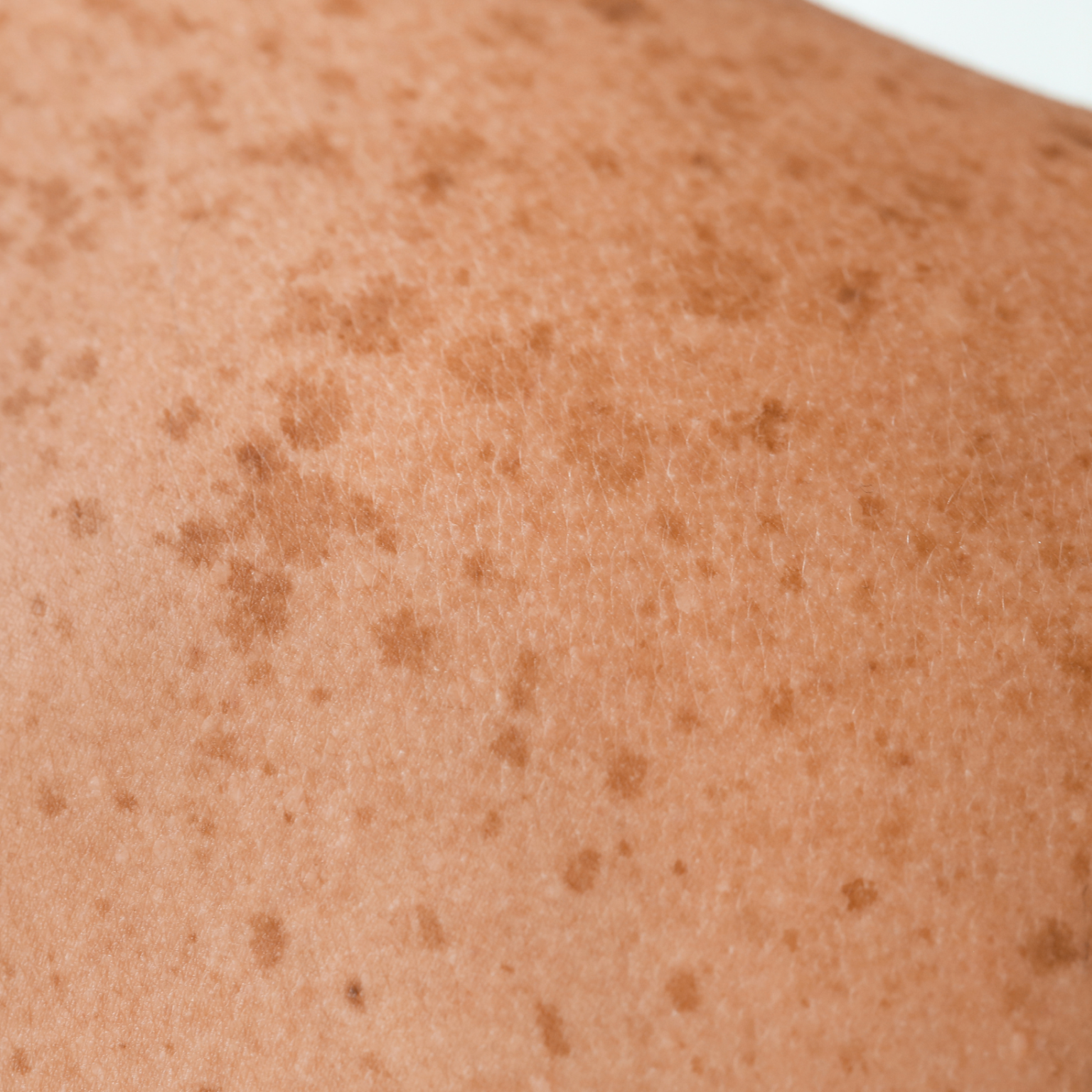
Understanding Dermatological Surgery: Cysts and Moles
Dermatological surgery is a specialised branch of medicine that treats skin conditions requiring a surgical procedure. Whether for cysts, lipomas, moles, naevi, skin tags, basal cell carcinoma, squamous cell carcinoma, melanoma or Merkel cell tumour, this article will help you understand dermatological surgery and how it offers a range of treatment options aimed at improving skin health and, in many cases, saving lives.
Understanding Cysts
A cyst is a closed pocket under the skin that contains air, fluid or other material. It can appear anywhere on the body, in different sizes, and does not usually hurt. Cysts can develop for various reasons, including blocked sebaceous glands, skin infections and genetic inheritance.
Types of Cysts and Cyst Surgery
There are different types of cysts, including epidermal cysts, sebaceous cysts and pilonidal cysts. The choice of treatment depends on the size, location and symptoms of the cyst. Surgery is often used to remove cysts that are large, painful or located in places that cause discomfort or inconvenience.
The World of Lipomas
A lipoma is a growth of fatty tissue that develops under the skin. It is usually soft to the touch, mobile and not painful. Lipomas are generally harmless and only need treatment if they become uncomfortable or affect a person’s function or appearance.
Causes and Symptoms of Lipomas
Although the exact cause of lipomas is unclear, certain factors such as family history, certain medical conditions (such as Cowden syndrome or Madelung’s disease) and previous injuries may increase the risk of developing a lipoma. Symptoms may include a lump under the skin that is soft, rubbery or easy to move.
Surgical Removal of Lipomas
In some cases, a lipoma may need to be removed surgically, particularly if it grows quickly, if it is painful, if it causes functional symptoms or if it is a cosmetic concern. Surgical removal of lipomas is usually performed as an outpatient procedure under local anaesthesia.
Moles and Naevi
A mole is a small pigmented spot on the skin, while a naevus is a general term for a skin abnormality such as a mole or a birthmark. They can be present at birth or develop later in life.
Types of Moles and Naevi and the Role of Surgery
There are several types of moles and naevi, including common naevi, atypical naevi and dysplastic naevi. Surgery may be needed to remove moles or naevi that carry a risk of skin cancer, cause discomfort or are unsightly.
Skin Tags
Skin tags, also known as acrochordons, are small growths of skin that often hang from a thin stalk. They are usually harmless, but can be bothersome or unsightly.
Causes of Skin Tags and Surgical Treatment Options
Skin tags are usually caused by skin friction, obesity or diabetes. Although they are generally harmless, they can be bothersome and can be removed by various surgical methods, including excision, cryotherapy or electrosurgery.
Basal Cell and Squamous Cell Carcinomas
Basal cell and squamous cell carcinomas are the two most common types of non-melanoma skin cancer. They are usually caused by excessive sun exposure.
Understanding Basal Cell and Squamous Cell Carcinomas and Surgery for Carcinomas
Basal cell carcinoma develops in the basal cells of the skin, while squamous cell carcinoma develops in the squamous cells. They are usually treated with surgery to remove the tumour and a margin of healthy skin around it.
Melanoma and Merkel Cell Tumour
Melanoma is the most serious type of skin cancer, because it can spread to other parts of the body. Merkel cell tumour, on the other hand, is a rare type of skin cancer that is usually aggressive.
What Is Melanoma, Understanding Merkel Cell Tumour and the Surgical Options
Melanoma develops in melanocytes, the cells that produce skin pigment. Merkel cell tumour develops in the neuroendocrine cells of the skin. Both types of cancer may require surgery to remove the tumour along with a certain amount of surrounding healthy tissue.
Conclusion
Dermatological surgery plays a crucial role in treating many skin conditions, including cysts, lipomas, moles, naevi, skin tags, basal cell carcinoma, squamous cell carcinoma, melanoma and Merkel cell tumour. Understanding dermatological surgery, these conditions and the treatment options available is the first step towards keeping your skin healthy and making informed decisions about skin care.
To find out more about how these techniques can help you achieve your goals, please feel free to contact our team.
FAQ
What is dermatological surgery?
Dermatological surgery is a specialised field of medicine that focuses on diagnosing and treating diseases of the skin, nails and hair that require a surgical procedure.
When is surgery needed to treat cysts and lipomas?
Surgery may be needed to treat cysts and lipomas that are painful, interfere with normal function, grow quickly, or are a concern for cosmetic or personal reasons.
Do all moles and naevi need surgery?
No, not all moles and naevi need surgery. However, if a mole or naevus changes in size, shape or colour, becomes painful or bleeds, or shows signs of skin cancer, a surgical procedure may be necessary.
Are skin tags dangerous?
No, skin tags are generally not dangerous and are not associated with cancer. However, they can be bothersome or unsightly and can therefore be removed if necessary.
What are melanoma and Merkel cell tumour?
Melanoma is a type of skin cancer that develops from melanocytes, the cells that produce skin pigment. Merkel cell tumour is a rare and aggressive type of skin cancer that develops in the neuroendocrine cells of the skin.
What are the surgical treatments for basal cell and squamous cell carcinomas?
Surgical treatments for basal cell and squamous cell carcinomas may include surgical excision, Mohs surgery (a procedure that removes the tumour layer by layer), cryosurgery and photodynamic therapy.

Patient Review
Soukouna Hawa
I had surgery in 2014 for a breast augmentation and everything went well. I thank Dr Gianfermi. So far everything is perfect!


