

Condylomas are caused by infection with the human papillomavirus (HPV). This condition raises questions about how it is transmitted and whether it should be classified as a sexually transmitted infection.
Condylomas and STIs: the medical definition
Nature of the infection
A condyloma is a manifestation of HPV, particularly genotypes 6 and 11. These viral strains belong to the group of low-risk (low oncogenic potential) HPV types.
The infection is characterised by papillomatous lesions of the genital and perigenital mucosa. Diagnosis is based on clinical examination, sometimes supplemented by molecular biology tests.
STI classification
Condylomas are listed among sexually transmitted infections because of their main route of transmission. This classification reflects the statistically dominant route of infection.
How HPV is transmitted
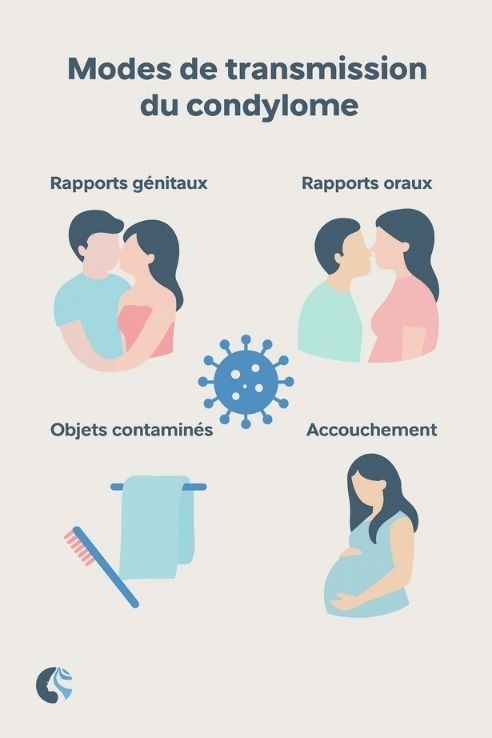
Direct sexual transmission
Sexual contact accounts for 90-95% of infections. The virus is transmitted through:
- Direct skin-to-mucosa contact during genital intercourse
- Oral-genital and anal intercourse
- Simple contact without penetration
- Sharing contaminated intimate objects
Transmission can occur even when a condom is used, as the virus can infect skin areas that the condom does not cover.
Perinatal transmission
Mother-to-child transmission is possible but exceptional (< 1% of cases). It mainly occurs during passage through an infected birth canal.
This transmission can cause recurrent respiratory papillomatosis in the child, a rare but serious condition.
Indirect routes of transmission
Several non-sexual routes have been documented:
Self-inoculation: the patient spreads the virus from an infected area to healthy skin by scratching or touching the lesions.
Indirect transmission: contact with contaminated surfaces or objects (medical equipment, linen, shared facilities). These cases remain anecdotal.
Special cases: infections have been reported in people with no history of sexual activity, suggesting other, as yet unidentified, routes of transmission.
Prevention strategies
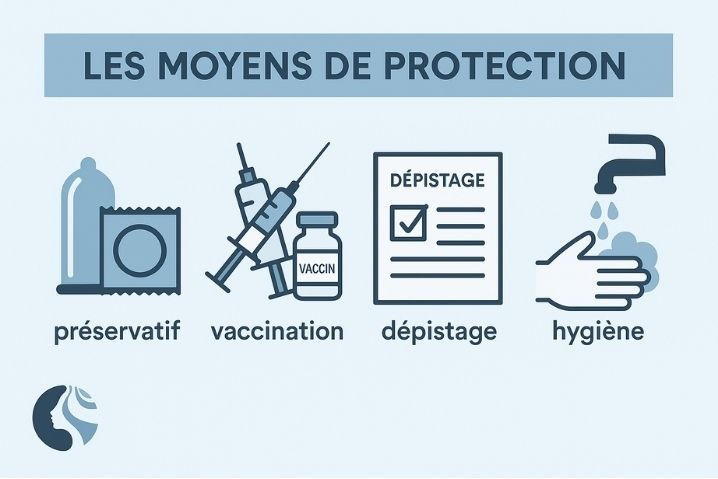
HPV vaccination
Vaccination is the reference method of primary prevention. The available vaccines (bivalent, quadrivalent, nonavalent) protect against the genotypes responsible for 90% of condylomas.
Recommendations:
- Routine vaccination at age 11-14 (girls and boys)
- Catch-up vaccination possible up to age 19
- Most effective before any exposure to the virus
Barrier protection
Condoms significantly reduce the risk of transmission without eliminating it completely. Consistent use is still recommended.
Hygiene measures
- Avoid sharing personal intimate items
- Wash your hands after genital contact
- Disinfect reusable medical equipment
Screening and diagnosis
Clinical signs
Condylomas appear as warty, pinkish or greyish lesions that are not painful. Their appearance varies depending on their location and how they develop.
Common locations:
- External anogenital area
- Perineum
- Perianal area
- Oral mucosa (rare)
Medical consultation
Clinical diagnosis is made by visual examination and palpation. Dermoscopy can help identify early lesions.
Differential diagnoses: molluscum contagiosum, naevus, squamous cell carcinoma, secondary syphilis.
Further tests
- HPV PCR for genotyping (when indicated)
- Biopsy if the diagnosis is uncertain
- Colposcopy for associated cervical lesions
Treatment
Available treatments
Several treatment options exist depending on the extent and location of the lesions:
Topical treatments:
- Imiquimod (topical immunomodulator)
- Podophyllotoxin (antimitotic)
- Trichloroacetic acid
Destructive treatments:
- Liquid nitrogen cryotherapy
- Electrocoagulation
- CO2 laser
Medical follow-up
Post-treatment monitoring is essential because of the risk of recurrence (20-30% of cases). The virus can remain latent even after the visible lesions have disappeared.
Communication and counselling
Informing your partner
Informing your partner makes it easier to:
- Detect asymptomatic lesions
- Prevent cross-reinfection
- Plan coordinated follow-up
Psychological aspects
The diagnosis can cause anxiety and feelings of guilt. Appropriate support limits the psychological impact and helps patients stick to their treatment.
Summary
Condylomas result from an HPV infection that is mostly transmitted sexually. Indirect routes of transmission exist but remain exceptional.
Prevention relies on HPV vaccination, condom use and early screening. Treating the lesions is effective but does not permanently eliminate the virus.
Seeing a doctor promptly if you notice a suspicious lesion allows an accurate diagnosis and appropriate care.
Questions about condylomas? Book an appointment for a specialist consultation.
The information presented here does not replace a medical consultation. Every situation requires an individual assessment by a qualified healthcare professional.


