Mole Removal Surgery

Everything you need to know about mole treatments

Mole surgery is a dermatologic procedure to remove or reduce moles that are unsightly or potentially dangerous. Here we explain the methods, the benefits and the precautions involved in this procedure.

Why choose mole removal surgery?

Cosmetic concerns

Some moles may be considered unsightly, particularly when they are located on the face or other visible parts of the body. In these cases, patients may choose to have surgery to improve their appearance.

Skin cancer risk

Moles can sometimes be precursors of melanoma, a type of skin cancer. If a mole shows signs of malignancy, surgery may be needed to remove the lesion and prevent the cancer from spreading.

Mole removal techniques

Simple excision

Simple excision is a commonly used method for removing moles. It involves cutting out the mole with a scalpel under local anaesthesia. The wound is then stitched to promote healing.

Wide excision

For suspicious or malignant moles, a wide excision is performed. This technique removes the mole together with a margin of healthy tissue around it, to reduce the risk of the cancer coming back.

Laser

Laser surgery can be used to remove non-cancerous moles. The laser beam targets the melanin in the mole, destroying the pigmented cells without damaging the surrounding skin.

Precautions and post-operative care

Preparing for the procedure

Before surgery, it is essential to see a dermatologist to assess the mole and decide on the most appropriate method.
The doctor may also advise you to avoid sun exposure and to avoid medicines that can increase the risk of bleeding.

Post-operative care

After the procedure, it is crucial to follow the doctor’s instructions to support healing and prevent complications.
Post-operative care usually includes cleaning the wound, applying a sterile dressing and taking antibiotics if needed.

Scar monitoring

It is important to keep an eye on how the wound heals and to report any sign of infection, bleeding or delayed healing to the doctor.
Scar creams or laser treatments may be recommended to minimise the appearance of scars.

Conclusion

Mole surgery is an effective procedure for removing unsightly or potentially dangerous moles.
By understanding the different techniques, precautions and aftercare, patients can make an informed decision about the most suitable option for their situation.

Mole removal surgery: cost and reimbursement

The cost of mole surgery depends on the complexity of the procedure, the type of anaesthesia used and the geographical area.

It is important to see a specialist to obtain an accurate quote.

In some cases,

*French national health insurance or a supplementary health insurance policy may cover part of the costs if the procedure is medically justified.*

Possible risks and complications

As with any surgical procedure, mole surgery carries certain potential risks and complications. Although rare, these may include:
  • Infection
  • Bleeding
  • Allergic reaction to the anaesthetic
  • Unsightly scarring
  • Recurrence of the mole
It is essential to discuss these risks with the doctor before making a decision about surgery.

Preventing new moles

Although it is not possible to completely prevent new moles from appearing, some measures can reduce the risks:
  • Limit sun exposure, especially between 10 am and 4 pm
  • Apply a broad-spectrum sunscreen with an SPF of at least 30
  • Wear protective clothing, such as hats, sunglasses and long-sleeved clothing
  • Avoid tanning beds and sunlamps
By following this advice, you can minimise the risks associated with moles and protect your skin from sun damage.

Regular dermatology check-ups

It is important to see a dermatologist regularly to monitor existing moles and detect any suspicious change.
Doctors generally recommend an annual skin check, but more frequent visits may be needed for people at high risk of melanoma.
If you have any doubt or concern, do not hesitate to consult a health professional.

Request an appointment

Submit your appointment request and one of our patient care coordinators will contact you shortly.
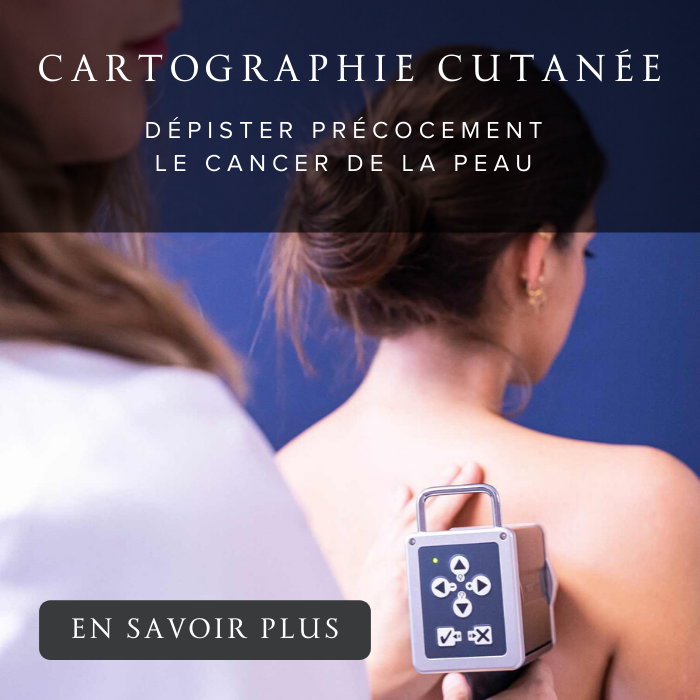
cartographie grains de beauté - Fotofinder

About

Get yourself checked

Early detection of skin cancer offers a better chance of cure and survival, particularly for cutaneous melanoma.

In France, a national skin cancer screening day is held every year in May by the French national union of dermatologists-venereologists (SNDV). A free, anonymous examination is offered by dermatologists throughout France.

Skin cancer is detected early either during a medical examination or after patients notice a potentially suspicious lesion: a sore that does not heal, a spot or scab that persists or changes, an atypical brown patch, or a mole that looks different.

On average, 100,000 skin cancers are diagnosed every year in France.

Docteur Massimo Gianfermi

29 avenue de Suffren
75007, Paris
France