Dermatologic Surgery
Dr Massimo Gianfermi and his team offer their expertise and technical skill in dermatologic surgery.
Introduction to dermatologic surgery
Dermatologic surgery is a medical discipline dedicated to correcting and treating skin problems. It covers a wide range of procedures and techniques aimed at improving the appearance and health of the skin.
The different dermatologic surgery procedures
Surgical excision
Surgical excision is a procedure to remove a skin lesion such as a mole, a cyst or a carcinoma. It is usually performed under local anaesthesia and may require stitches to close the wound.
Skin grafting
Skin grafting is a technique in which healthy skin is taken from the patient and transplanted onto a damaged area. It is often used to treat burns, ulcers and large wounds.
Laser treatment
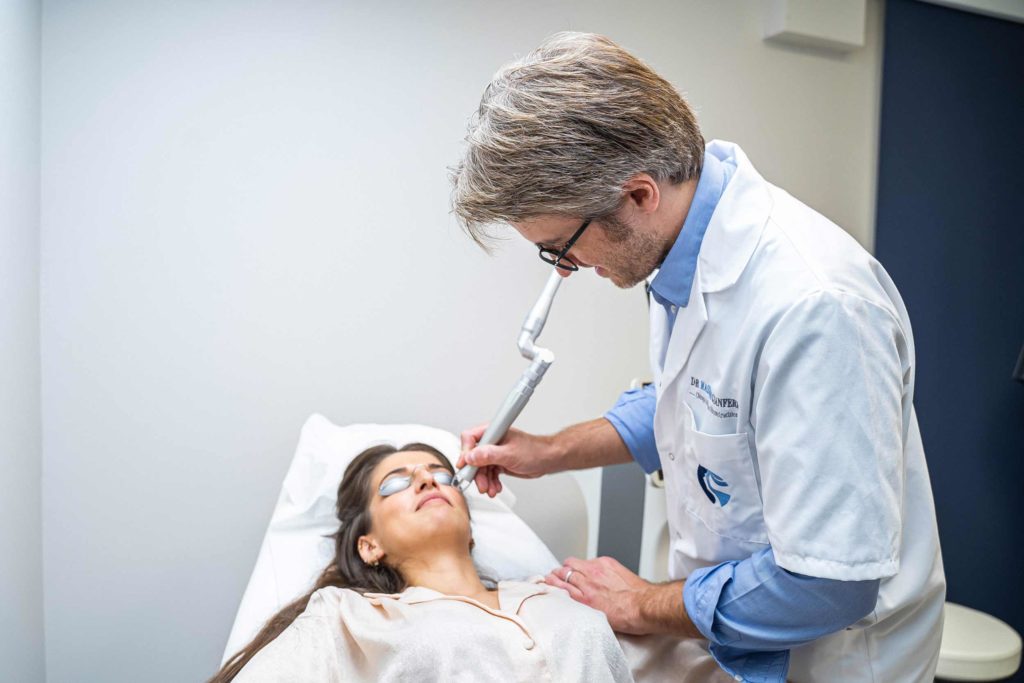
Laser treatment uses beams of concentrated light to target and destroy damaged skin cells. It is used to treat a variety of skin problems, such as acne scars, wrinkles and pigmentation marks.
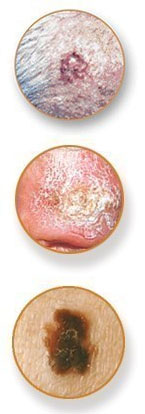
Skin cancer
Skin cancer is the presence of atypical cells in the skin. There are several types of skin cancer, many of which are linked to regular, prolonged sun exposure.
With his team of dermatologists, Dr Gianfermi treats the three main types of skin cancer:
- Basal cell carcinoma
- Squamous cell carcinoma
- Melanoma
He also treats other types of skin cancer.
Birthmarks, angiomas, port-wine stains and skin pigmentation
Although they are rarely dangerous, birthmarks, angiomas and port-wine stains can make people self-conscious. All of these conditions are caused by abnormal pigmentation of the skin in certain areas of the face or body.
Treatment may include laser therapy and topical creams. A dermatologist will help you define the personalised treatment plan most appropriate for your skin pigmentation problem.
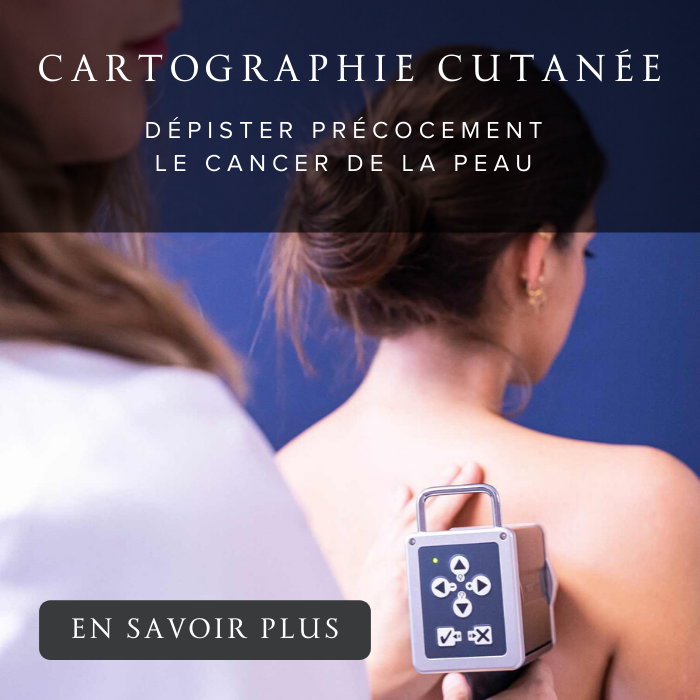
Find out about full-body mole mapping!
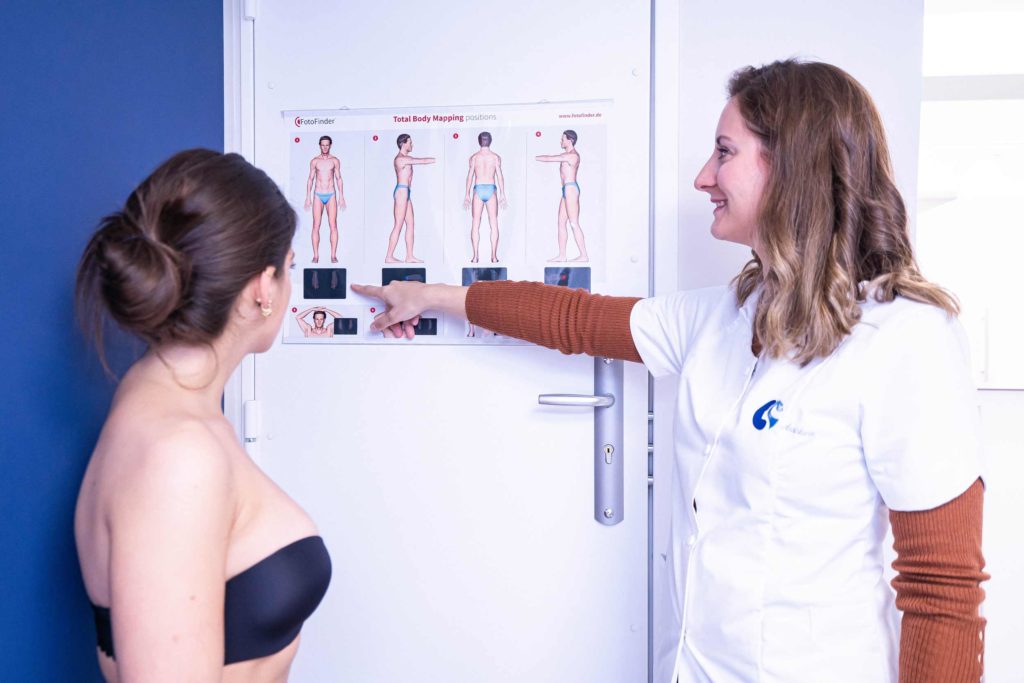
Total body examination with FotoFinder® dermoscopy: an innovative approach
In dermatology, careful inspection of lesions is crucial for diagnosis and follow-up. For years, practitioners have used a dermoscope, a kind of magnifying glass.
Today, however, advances in high-definition medical imaging combined with artificial intelligence algorithms offer more effective alternatives, such as intelligent total body dermoscopy (Total Body Dermoscopy).
What is FotoFinder ATBM?
This technology combines high-definition medical imaging and artificial intelligence software.
The medical imaging includes:
- True video dermoscopy;
- Very high-resolution images;
- A xenon flash for optimal, shadow-free lighting.
The analysis software supports the clinician’s assessment:
- Bodyscan Master identifies and ranks new or changed skin lesions, so the practitioner can analyse them first and in depth. FotoFinder Bodyscan displays before/after images from the same angle, for very precise follow-up.
- Moleanalyzer pro analyses the main lesions and calculates a predictive score using artificial intelligence data.
Advantages and disadvantages of dermatologic surgery

Advantages
- Improved skin appearance
- Correction of skin imperfections
- Treatment of skin problems
Disadvantages
- Risks related to anaesthesia
- Risk of infection
- Recovery and healing time


How to choose the right practitioner for your dermatologic surgery
To choose the right practitioner for your dermatologic surgery, it is essential to look for a qualified, experienced doctor. Here are a few criteria to consider:
Training and qualifications
Make sure the doctor graduated from a recognised medical school and specialises in dermatology or plastic surgery.
Experience
It is important to choose a practitioner with significant experience in performing the dermatologic surgery procedures you are interested in.
Recommendations
Read online reviews and ask friends or family members who have had similar procedures for recommendations
Portfolio
Feel free to ask the practitioner for examples of their work, such as before and after photos, to get an idea of their skills and the quality of their results.
Rapport and communication
During your consultation, make sure you feel comfortable with the practitioner and that you fully understand all the information they give you.
Preparing for and recovering from dermatologic surgery
Before the procedure
It is important to prepare well before dermatologic surgery.
Here are a few tips to help you:
- Discuss your expectations and concerns with your doctor.
- Tell them about your medical history and any medicines you take.
- Avoid smoking and drinking alcohol before the procedure.
- Follow your doctor’s instructions for pre-operative care.
After the procedure
Post-operative follow-up is crucial for optimal healing and satisfactory results. Here are a few tips to help you after dermatologic surgery:
- Follow your doctor’s instructions for post-operative care.
- Avoid sun exposure and apply sunscreen when you go out.
- Do not strain the treated area and avoid strenuous physical activity during recovery.
- Take the prescribed medicines to control pain and prevent infection.
- Do not hesitate to contact your doctor if you notice any complications or have any concerns.
Conclusion
Dermatologic surgery is a constantly evolving medical discipline that offers effective solutions for treating and improving a range of skin problems.
By choosing a qualified practitioner and following the advice on preparation and follow-up, you can benefit from these procedures and achieve satisfactory results.

About
Get yourself checked
Early detection of skin cancer offers a better chance of cure and survival, particularly for cutaneous melanoma.
In France, a national skin cancer screening day is held every year in May by the French national union of dermatologists-venereologists (SNDV). A free, anonymous examination is offered by dermatologists throughout France.
Skin cancer is detected early either during a medical examination or after patients notice a potentially suspicious lesion: a sore that does not heal, a spot or scab that persists or changes, an atypical brown patch, or a mole that looks different.
On average, 100,000 skin cancers are diagnosed every year in France.