
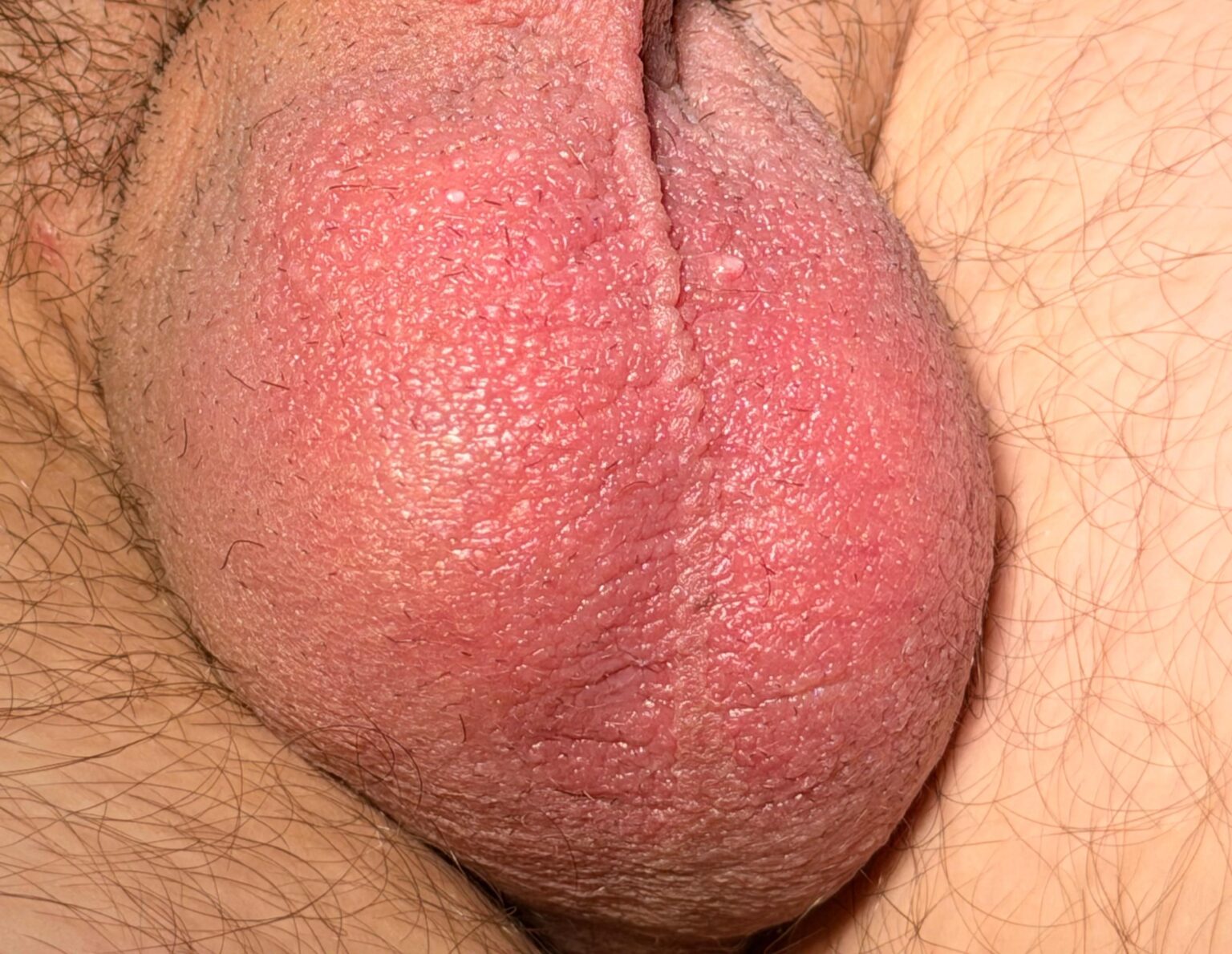
After unprotected sex, or simply by chance in the shower, you notice small growths on your genitals. The diagnosis comes back: genital warts (condylomas). According to Santé Publique France, this infection caused by the human papillomavirus (HPV) affects around 1% of sexually active adults in France. Benign in most cases, it is nonetheless unpleasant, contagious, and requires appropriate treatment.
This guide brings together everything you need to understand about genital warts: causes, clinical forms, the treatments available today — including the CO2 laser I use at my practices in Paris and Levallois-Perret — and prevention. The aim: to give you a clear picture before or after your consultation.
What is a genital wart?
Medical definition and link with HPV
A condyloma is a skin or mucosal lesion caused by certain strains of the human papillomavirus. HPV is a family of more than 200 viruses, around forty of which have a particular affinity for the genital mucosa. According to the French National Authority for Health (HAS), the HPV-6 and HPV-11 strains are responsible for 90% of external genital warts.
In practice, the virus enters the cells of the epidermis through a micro-abrasion (during sex, for example), replicates there and causes abnormal cell growth. The visible result: these small growths, also known as HPV genital warts or “cauliflower” warts.
For the complete definition of genital warts, a dedicated article covers the medical basics in detail.
Acuminate, flat and giant condylomas: the different forms
Not all genital warts look the same. There are three main clinical forms:
- Condylomata acuminata: the most common form. Small pink or greyish growths, often clustered together, with an irregular surface. This is the classic “cauliflower” wart.
- Flat condylomas: less visible, flat, sometimes imperceptible to the naked eye. They are often detected during a gynecological examination or a cervical smear.
- Giant condylomas or Buschke-Löwenstein tumor: a rare, aggressive form with a risk of malignant transformation. Requires prompt surgical treatment.
To see concretely what a genital wart looks like, with photos and precise descriptions, the dedicated article is clearer than a long description.
Possible locations in women and men
In women, genital warts appear on the vulva, in the vagina, on the cervix, around the anus and sometimes in the perineal region. The cervix is an at-risk location, because certain HPV strains can progress to cervical dysplasia.
In men, the areas affected are the glans, the foreskin, the coronal sulcus, the scrotum, the base of the penis and the anal margin. Intra-urethral warts also exist; they are rarer but harder to treat.
A less well-known but real location: the mouth and throat, after oral transmission. These cases are uncommon, but documented.
How do you catch genital warts?
HPV transmission
HPV is transmitted through skin-to-skin or mucosa-to-mucosa contact. Sex — vaginal, anal or oral — is the main route. The virus is extremely contagious: an estimated 60 to 70% of the partners of an infected person will become infected.
On transmission and prevention, a dedicated article looks in depth at how infection occurs and what to do with regard to your partner.
Incubation period and risk factors
The time between infection and the appearance of the first lesions varies. Allow 1 to 8 months on average, but incubation periods of more than a year do occur. Attributing the infection to a recent partner can therefore be misleading.
Factors that increase the risk of infection:
- Multiple sexual partners
- Unprotected sex
- Smoking (promotes viral persistence)
- Immunosuppression (HIV, immunosuppressive treatments, pregnancy)
- History of other STIs
Are genital warts always an STI?
The short answer: yes, in 99% of cases. HPV is transmitted almost exclusively through intimate sexual contact. Indirect transmission (linen, surfaces) is documented but remains exceptional.
The article exploring the question of genital warts and STIs in depth covers specific situations (mother-to-child transmission, non-sexual transmission within families).
HPV is not a trivial STI: it is the most widespread STI in the world, ahead of chlamydia and gonorrhea. To put it in context, here are the other STIs worth knowing about and their treatments.
Diagnosing genital warts
Clinical examination and warning signs
Genital warts are diagnosed primarily by sight. A careful examination of the genital, anal and perianal areas identifies the characteristic lesions. For flat warts, I use a Wood’s lamp or apply 5% acetic acid, which turns the lesions white and makes them visible.
Signs that should prompt a consultation:
- Appearance of fleshy growths, single or clustered
- Burning, itching or local irritation
- Bleeding after contact (intercourse, wiping)
- Unusual urethral discharge in men
- Incidental discovery by a partner
When should you see Dr Gianfermi?
As soon as a suspicious lesion appears, without waiting. The earlier genital warts are treated, the simpler, shorter and more effective the treatment. Conversely, neglected warts can proliferate and require more extensive procedures.
For a consultation for genital warts at Dr Gianfermi’s practice, appointments can be booked on Doctolib or directly by phone. A prior consultation is mandatory to draw up an appropriate treatment plan.
Differential diagnosis: genital warts vs other lesions
Not every genital lesion is a wart. Several conditions can be confused with them:
- Pearly penile papules: small bumps lined up around the rim of the glans, completely benign, present in around 30% of men
- Tyson’s glands or ectopic sebaceous glands: normal anatomical variants
- Molluscum contagiosum: a different virus, a different treatment
- Lichen sclerosus: a chronic inflammatory disease requiring different dermatological management
- Squamous cell carcinoma: a rare skin cancer, but one to rule out when a lesion looks atypical
Hence the need for an examination by a trained doctor. Self-diagnosis can lead to inappropriate treatment.
Genital wart treatments: a complete overview
No treatment eliminates HPV from the body. We treat the visible lesions, not the virus. Relapses are common, especially in the first 6 months. To compare the effectiveness of the different treatments and their recurrence rates, a dedicated article goes into detail.
The choice of treatment depends on several factors: number of lesions, size, location, history of recurrence, context (pregnancy, immunosuppression). Here are the options.
Topical drug treatments
Three main treatments, applied by the patient on prescription or by the doctor:
- Imiquimod 5% (Aldara®): an immunomodulating cream. Applied 3 times a week for 8 to 16 weeks. 50–70% effective. Side effects: local irritation is common.
- Podophyllotoxin 0.5% (Condyline®, Wartec®): applied twice a day for 3 days, followed by a 4-day break, for up to 4 cycles. 40–60% effective.
- Trichloroacetic acid: applied by the doctor in the office. Chemically burns the lesion. Several sessions 1 to 2 weeks apart.
These treatments are suitable for external lesions that are few in number and small in size.
Cryotherapy and electrocoagulation
Liquid nitrogen cryotherapy destroys the lesion by freezing (-196°C). Quick, mildly uncomfortable sessions, repeated every 1 to 3 weeks. Good effectiveness on localized external lesions.
Electrocoagulation burns the lesion with a high-frequency electric current. Performed under local anesthesia, it treats larger or deeper lesions. Healing takes 7 to 14 days.
Both techniques are long-established, reliable and widely available. They have their limitations: possible scarring, variable pain during the procedure, and a recurrence rate of around 30%.
Standard surgical excision
For extensive or giant warts, or those resistant to drug treatments, surgical excision with a scalpel remains an option. It is performed under local or general anesthesia depending on the extent, with stitches if needed.
The advantage: the lesion is removed in one go, with histopathological analysis. The drawback: a more invasive procedure and more noticeable scarring.
CO2 laser: Dr Gianfermi’s preferred technique
The CO2 laser is my reference tool for extensive or multiple warts, or warts in delicate areas (anus, urethra, inside the vagina). The laser vaporizes the lesion layer by layer with millimeter precision, limiting damage to the surrounding healthy tissue.
The practical benefits I observe:
- Precision: lesions, even small ones, are destroyed without affecting the surrounding skin
- Hemostasis: the laser cauterizes as it goes, so there is little bleeding
- Healing: 7 to 14 days depending on the extent, with a cosmetic result generally superior to other techniques
- Versatility: intra-anal, intra-vaginal, intra-urethral — CO2 laser treatment for genital warts adapts to hard-to-reach areas
For the technical detail of laser treatment of genital warts in Paris, a dedicated article covers the procedure, recovery and results.
The procedure is carried out at the practice under local anesthesia for limited lesions, or in an operating room under general anesthesia for extensive or deep lesions. A single session is enough in most cases.
Which treatment for which case?
Here is how I reason in consultation to guide you towards the most suitable treatment:
| Clinical profile | Treatment usually offered |
|---|---|
| 1 to 3 small external warts | Topical (imiquimod) or cryotherapy |
| Multiple external warts | CO2 laser or electrocoagulation |
| Intra-anal or intra-vaginal warts | CO2 laser |
| Giant condyloma | Surgical excision + laser |
| Multiple recurrences | CO2 laser + immunomodulation |
| Pregnancy | Cryotherapy or laser (no topicals) |
This grid is for guidance only. Every situation is different, and an individual assessment remains essential.
After treatment: recurrence, follow-up, prevention
Risk of recurrence and aggravating factors
Let’s be clear: there is a risk of recurrence, whatever treatment is chosen. HPV can persist in skin cells without any visible sign and cause new lesions later on. The average recurrence rate is 20 to 30% at 6 months, and higher in the case of:
- Extensive initial lesions
- Active smoking
- Immunosuppression
- Continued unprotected sex with an infected partner
The detail of the risk of recurrence, with statistics for each treatment, is set out in the dedicated article.
Recommended medical follow-up
After treatment, I offer a follow-up consultation at 1 month, then at 3 and 6 months. The goal: to detect any recurrence early, treat it immediately and prevent further proliferation.
For women, gynecological follow-up with a cervical smear remains essential. Certain oncogenic HPV strains (HPV-16, HPV-18) are responsible for most cervical cancers.
Prevention: Gardasil vaccination and condoms
The Gardasil 9 vaccine protects against 9 HPV strains, including the main oncogenic strains (16, 18) and those responsible for genital warts (6, 11). It is recommended for girls and boys aged 11 to 14, with catch-up vaccination possible up to age 19, and up to age 26 in certain specific cases.
Condoms reduce the risk of transmission but do not eliminate it, as HPV can be present on areas they do not cover (pubic area, base of the penis, perineum).
For official recommendations, official information on HPV is available on the French Ministry of Health’s website.
Should the partner be treated?
A common question in consultation. The answer is not simple. If the partner has no visible lesions, there is no indication to treat them straight away. A clinical examination by their doctor is still recommended to check for subclinical lesions.
If the partner has visible lesions, treating them at the same time is obvious.
For couples in a stable relationship, transmission has usually already occurred, and preventively treating an asymptomatic partner has no proven benefit.
Why see Dr Massimo Gianfermi in Paris for genital warts?
Expertise in dermatologic surgery
My background in plastic and reconstructive surgery includes advanced training in dermatologic surgery: skin excisions, reconstruction after cancer surgery, laser surgery. Genital warts fall within this field of expertise — not as a side topic, but as a condition I treat routinely at the practice.
Technical facilities: CO2 laser, appropriate anesthesia
The practice has a latest-generation CO2 laser suited to fine dermatologic surgery. Local anesthesia is sufficient in most cases. When general anesthesia is needed, it is carried out in a partner clinic with a specialized anesthesia team. I also offer intimate aesthetic medicine treatments for patients who want comprehensive care of the genital area.
Practices: Paris 7th (Suffren) and Levallois-Perret (Renaissance)
You can see me at two practices for genital wart treatment in Paris:
- Paris 7th practice: 29 avenue de Suffren, 75007 Paris
- Renaissance practice: 54 rue Voltaire, 92300 Levallois-Perret
Both practices are equipped for consultations and minor procedures. For procedures under general anesthesia, I work with partner surgical clinics in Paris.
Frequently asked questions about genital warts (FAQ)
Are genital warts dangerous?
In most cases, no. Genital warts are linked to low-risk HPV strains (HPV-6, HPV-11) that do not turn into cancer. The oncological risk concerns other HPV strains (16, 18), which cause cervical dysplasia and certain ENT or anal cancers. The presence of genital warts may signal co-infection with an oncogenic strain, hence the importance of gynecological screening.
How long after infection does a genital wart appear?
The average incubation period is 1 to 8 months. But cases appearing after more than 12 months are documented. In practice, this means it is often difficult to pinpoint the source of the infection.
Do condoms protect against genital warts?
Partially. They reduce transmission by 60 to 70% depending on the studies, but HPV can be present on areas they do not cover (pubic area, perineum, base of the penis). Condoms remain the main form of protection, together with the Gardasil HPV vaccine.
How long does healing take after laser treatment?
Allow 7 to 14 days for the skin to heal, depending on the size of the treated area. Care is simple: cleaning with water and applying the prescribed healing cream. Sex is generally not advised for 3 to 4 weeks.
Can genital warts come back after several years?
Yes. HPV can remain dormant in skin cells for years before causing new lesions, particularly when immunity drops (stress, fatigue, illness, immunosuppressive treatment). This is why follow-up remains recommended even after the lesions have completely disappeared.
Does the Gardasil vaccine work if I already have genital warts?
Gardasil does not treat an existing infection. It prevents future infections by the HPV strains it covers. If you have already been infected with HPV-6, the vaccine will not make that virus disappear. But it can protect you against other strains you have not yet encountered.
How much does treatment cost? Is it reimbursed?
Medical treatment of genital warts is partly covered by the French national health insurance (Sécurité sociale) within the coordinated care pathway. Surgical procedures (excision, laser) are reimbursed according to the CCAM classification. Any additional fees above the standard rate are discussed in consultation. A detailed quote is always provided before any procedure.
To discuss it in consultation
If you suspect genital warts or have been diagnosed with them, booking an appointment is the first step to assess your situation and choose the treatment suited to your case.
You can book an appointment with Dr Massimo Gianfermi on Doctolib, or contact the practice directly:
- Phone: 01 84 39 01 11
- Paris 7th practice: 29 avenue de Suffren, 75007 Paris
- Renaissance practice: 54 rue Voltaire, 92300 Levallois-Perret
Medical information for educational purposes. This article does not replace an individual medical examination. Results may vary from one patient to another. A prior consultation is mandatory before any treatment. Article written under the supervision of Dr Massimo Gianfermi, plastic and dermatologic surgeon in Paris and Levallois-Perret.


